
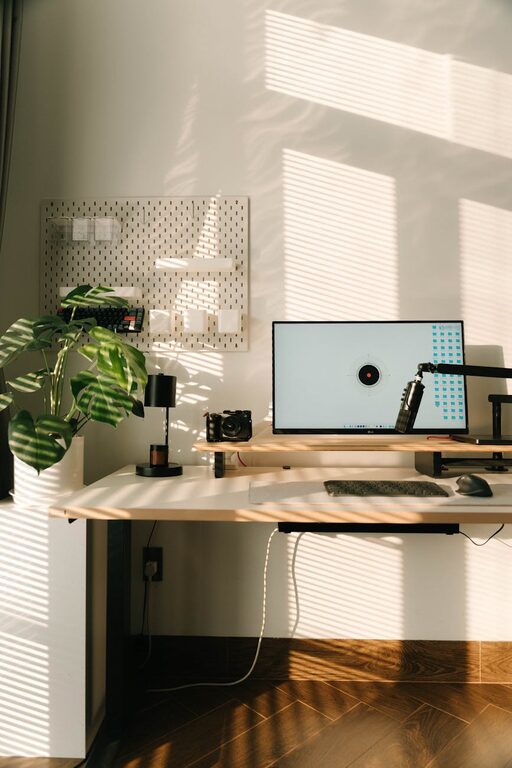
Creating a home workspace that is both sustainable and organized can greatly enhance your productivity, comfort, and overall well-being. Whether you work from home occasionally or full-time, setting up a space that reflects these values helps reduce stress, minimize environmental impact, and maintain focus throughout the day. This guide shares practical tips to design a workspace that is eco-conscious, well-organized, and inviting.
Why Choose a Sustainable Home Workspace?
A sustainable workspace focuses on using resources responsibly, reducing waste, and improving indoor environmental quality. This approach benefits not only the planet but also your health and efficiency. Choosing durable materials, reducing electronics waste, and optimizing natural light are just a few ways to maintain sustainability at your desk.
Start with Smart Space Planning
Assess Your Needs
Begin by considering what tasks you perform daily and which tools or equipment you regularly use. This will help you determine the ideal location and setup. You might want natural light near your desk, enough room for paperwork or crafting, or a quiet corner away from distractions.
Choose a Dedicated Area
Find a specific spot in your home devoted solely to work. This distinction helps your brain associate the area with focus and productivity, reducing the risk of work-life boundaries blurring. If space is limited, even a small nook can be transformed with intentional design.
Use Eco-Friendly Furniture and Supplies
Opt for Sustainable Materials
Look for desks, chairs, and storage solutions made from sustainably sourced wood, recycled metals, or biodegradable materials. Avoid products with excessive plastic or toxic finishes. Secondhand or upcycled furniture can also be stylish, budget-friendly, and environmentally sound choices.
Prioritize Ergonomics and Longevity
Select items designed to support good posture and comfort, reducing physical strain. Investing in quality pieces that last longer helps minimize waste and replacements over time.
Organize Smartly to Reduce Clutter
Declutter Regularly
Keep only the essentials on your desk. Use storage bins, drawers, or shelves to organize supplies and paperwork. Regular decluttering sessions prevent accumulation and make your space more enjoyable to work in.
Use Vertical and Modular Storage
Vertical shelving units or wall organizers save space while keeping items accessible. Modular storage systems can be customized and expanded as needed, adapting to your changing demands.
Label and Categorize
Clear labels on folders, boxes, or drawers make locating items easy and save time. Group similar items together to maintain order.
Maximize Natural Light and Indoor Air Quality
Position Your Desk Near a Window
Natural daylight improves mood and reduces eye strain. Try to place your workstation near a window but avoid glare on screens by adjusting blinds or screen angles.
Incorporate Plants
Indoor plants enhance air quality and create a refreshing atmosphere. Choose low-maintenance varieties such as spider plants, pothos, or succulents if you have a busy schedule.
Ventilate Regularly
Open windows when possible to circulate fresh air and reduce pollutants indoors.
Embrace Paperless and Energy-Efficient Practices
Go Digital When Possible
Minimize paper use by adopting digital note-taking, storage, and communication tools. This reduces clutter and the environmental impact of paper production and disposal.
Use Energy-Saving Devices
Choose ENERGY STAR-rated electronics and efficient lighting such as LED bulbs. Turn off devices and unplug chargers when not in use to conserve power.
Personalize Your Space Thoughtfully
Add Inspiring Elements
Incorporate artwork, photos, or small decorative items that motivate and make your workspace cozy without contributing to clutter.
Use Neutral and Calming Colors
Colors like soft greens, blues, or earthy tones can create a soothing environment conducive to focus and creativity.
Maintain Your Workspace Daily
Set a Routine Cleanup
Spend a few minutes at the end of each workday tidying your desk. Putting things away regularly prevents disorder and helps you start fresh the next morning.
Review and Refresh Periodically
Every few months, reassess your setup to ensure it still meets your needs and sustainability goals. Replace worn-out items responsibly and consider adding new solutions for better organization or comfort.
—
Creating a sustainable and organized home workspace takes some effort, but the benefits are well worth it. By combining environmentally friendly practices with smart design and organization, you can foster a productive and enjoyable environment that supports both your work and well-being. Start small, stay consistent, and watch your workspace transform into a place you love spending time in.