
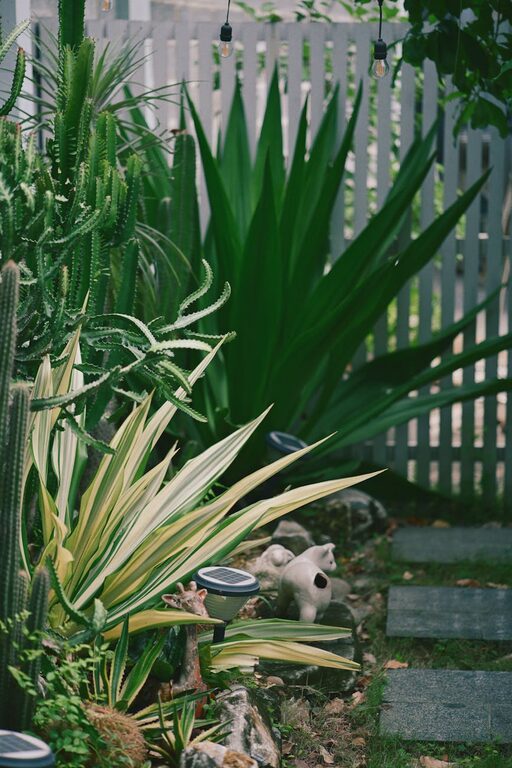
Creating a relaxing outdoor garden space at home can be a wonderful way to bring calmness and natural beauty into your daily life. Whether you have a small balcony, a cozy backyard, or a spacious garden, there are simple steps you can take to design a peaceful outdoor retreat. This guide covers practical tips and ideas to help you transform your outdoor area into a soothing sanctuary.
Choose a Quiet and Comfortable Location
The first step in creating a relaxing garden space is selecting the right spot. Ideally, choose an area that feels private, sheltered from noisy streets or neighbors, and receives pleasant sunlight or shade depending on your preference.
– Consider privacy: Use fences, tall shrubs, or trellises with climbing plants to block views.
– Assess sunlight: Some people prefer warm sunny spots for sunbathing or gardening, while others prefer shaded areas for cool respite.
– Accessibility: Choose a location that’s easy to reach from your home, encouraging regular use.
Incorporate Comfortable Seating
Comfortable seating invites you to spend more time enjoying your garden. Think beyond basic chairs to create a welcoming space where you can relax, read, or socialize.
– Types of seating: Options include benches, hammocks, swing chairs, loungers, or cushioned patio furniture.
– Materials: Durable and weather-resistant materials like teak, rattan, or metal with soft cushions work well.
– Arrangement: Position seating to take advantage of views or shade, and consider grouping chairs for conversation areas.
Use Soothing Colors and Natural Elements
Colors and natural materials greatly influence the atmosphere of your garden. A soothing color palette and organic textures help foster calm and connection with nature.
– Color choices: Soft greens, blues, and earthy tones tend to be calming.
– Plant colors: Choose flowers and foliage with gentle shades; avoid overly bright or clashing hues.
– Natural materials: Incorporate wood, stone, or bamboo for pathways, furniture, or decorations.
Select Plants That Promote Relaxation
Plants are the heart of any garden, and certain types can boost your sense of relaxation with their appearance, fragrance, or texture.
– Fragrant plants: Lavender, jasmine, rosemary, and gardenias add pleasing scents.
– Soft foliage: Grasses, ferns, and hostas offer gentle textures.
– Seasonal interest: Choose a mix of evergreens and flowering plants to maintain beauty year-round.
– Low maintenance: If you prefer a stress-free garden, opt for drought-tolerant or native plants.
Add Water Features for Calm Sounds
The gentle sound of flowing water has been shown to reduce stress and create a peaceful atmosphere.
– Small fountains: Ideal for limited spaces and easy maintenance.
– Birdbaths or small ponds: Attract wildlife while adding soothing water sounds.
– Water bowls or containers: Simple and visually appealing alternatives.
Include Soft Lighting for Evening Enjoyment
Proper lighting extends the usability of your garden into the evening and contributes to the ambiance.
– String lights: Hang fairy lights or lanterns for warm, inviting illumination.
– Solar lights: Eco-friendly options that automatically turn on at dusk.
– Pathway lights: Guide the way safely along garden paths.
– Spotlights: Highlight plants or water features subtly.
Create Pathways and Defined Spaces
Organizing your garden into defined spaces makes it feel more structured and inviting.
– Paths: Use gravel, stepping stones, or wood chips to create walkways.
– Zones: Consider areas for lounging, dining, gardening, or meditation.
– Borders: Define planting beds with edging materials to keep the garden tidy.
Personalize with Garden Decor
Adding decorative elements gives your garden personality and helps you connect emotionally to the space.
– Outdoor rugs and cushions: Add comfort and color.
– Wind chimes or sculptures: Bring visual interest and gentle sounds.
– Planters and pots: Allow flexibility in plant arrangements.
– Bird feeders: Invite birds that add life and movement.
Maintain Your Garden Regularly
A relaxing garden requires a little upkeep to keep it looking and feeling its best.
– Watering: Keep plants hydrated, especially during dry spells.
– Pruning and weeding: Regular trimming and weed removal prevent chaos.
– Cleaning: Sweep pathways and clean furniture to maintain a fresh look.
– Seasonal tasks: Prepare your garden for changes in weather with appropriate care.
Final Thoughts
Designing a relaxing outdoor garden space at home is a rewarding project that enhances your well-being. By selecting comfortable seating, calming colors, gentle water features, and thoughtful plants, you can create your own peaceful retreat. Remember, the best garden is one tailored to your preferences and lifestyle, so take your time and enjoy the process of making your outdoor space a true sanctuary.