Creating a relaxing home office environment is essential for maintaining focus, reducing stress, and enhancing productivity. Whether you work remotely full-time or need a quiet spot to handle personal projects, a well-designed workspace can make all the difference. Below are practical tips and ideas to help you set up a calming and inviting home office.
Choose the Right Location
Selecting the right spot for your home office is the first step in creating a peaceful environment.
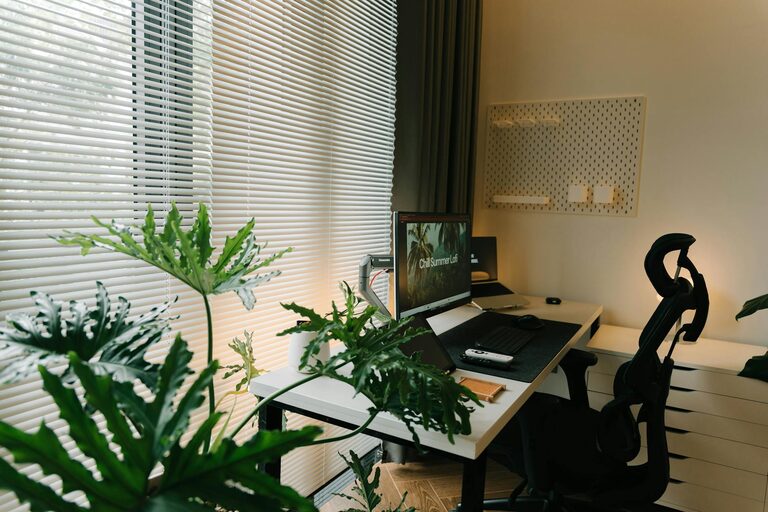
– Natural Light: Set up your workspace near a window if possible. Natural light boosts mood and energy.
– Quiet Space: Pick a quiet area away from household distractions like the TV or busiest rooms.
– Separate from Living Areas: If you can, designate a specific room or corner that’s solely for work. This helps mentally separate work from relaxation times.
Invest in Comfortable Furniture
Comfort directly impacts how relaxed and productive you feel.
– Ergonomic Chair: Pick a chair that supports your posture to avoid back or neck pain.
– Adjustable Desk: A desk at the right height prevents strain. Consider a standing desk option for variety.
– Clutter-Free Surfaces: A clean desk helps reduce mental clutter. Use organizers to keep essentials tidy and accessible.
Soothing Colors and Decor
The colors and decor you choose can influence your mood and focus.
– Calm Color Palette: Soft blues, greens, or neutral shades promote relaxation.
– Personal Touches: Add elements that make you happy, such as plants, artwork, or photos, but keep it minimal to avoid distractions.
– Avoid Overstimulation: Limit bright, loud patterns or harsh lighting that can cause eye strain or distraction.
Control Lighting Effectively
Good lighting is crucial for reducing eye strain and creating a peaceful atmosphere.
– Use Layered Lighting: Combine natural light with desk lamps and overhead lights to reduce shadows.
– Warm LED Bulbs: Choose bulbs that emit warm, soft light rather than harsh fluorescent lighting.
– Window Treatments: Blinds or curtains help adjust natural light levels to suit your needs throughout the day.
Incorporate Nature Elements
Bringing nature inside your workspace can promote calm and enhance creativity.
– Houseplants: Plants improve air quality and add visual calm. Easy-care plants like succulents or spider plants work well.
– Natural Materials: Use wood, stone, or woven baskets for a connection to nature.
– Nature Sounds: Consider playing gentle nature sounds like rainfall or forest ambience quietly in the background to reduce stress.
Establish Organization Systems
Organization helps prevent stress and keeps your focus sharp.
– Declutter Regularly: Set aside time each week to clear unnecessary items.
– Storage Solutions: Use shelves, drawers, or bins to keep supplies sorted.
– Prioritize Frequently Used Items: Keep essential items within arm’s reach; store less-used materials elsewhere.
Manage Technology Wisely
Technology is vital for work but can also be a source of distraction.
– Cable Management: Use clips or sleeves to keep wires neat and out of sight.
– Minimize Screen Glare: Position monitors to reduce reflections and strain.
– Use Productivity Tools: Apply apps or browser extensions to block distractions during work hours.
Pay Attention to Air Quality and Temperature
Comfort also depends heavily on air quality and temperature.
– Ventilation: Open windows regularly or use an air purifier to keep air fresh.
– Comfortable Temperature: Adjust your thermostat or use fans to maintain a cozy workspace.
– Scents: Mild essential oils like lavender or eucalyptus can enhance relaxation but avoid overpowering fragrances.
Create a Relaxation Corner
Even in a small space, having a spot to take brief breaks can improve well-being.
– Comfortable Seating: A cushioned chair or floor cushion for stretching or quick meditation.
– Soft Textiles: Add a throw blanket or soft rug to make the area inviting.
– Mindfulness Tools: Keep books, journals, or stress-relief gadgets nearby for quick mental resets.
Set Boundaries and Routine
A relaxing workspace also depends on good work habits.
– Defined Work Hours: Set specific start and end times to avoid burnout.
– Daily Rituals: Begin and end your day with calming routines, like stretching or a warm beverage.
– Breaks: Take regular breaks away from your desk to recharge and maintain focus.
—
Creating a relaxing home office is a blend of thoughtful design, comfort, and routine. Implementing these tips can help you craft a space that supports your best work and well-being every day. Remember, your workspace should reflect your personality and meet your specific needs, so feel free to customize these guidelines to suit you perfectly.