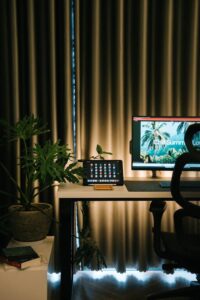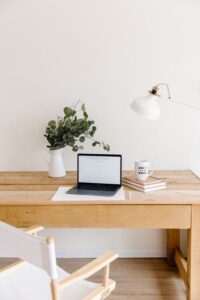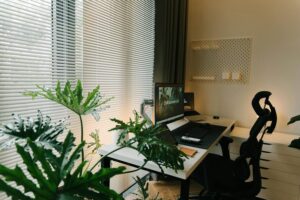
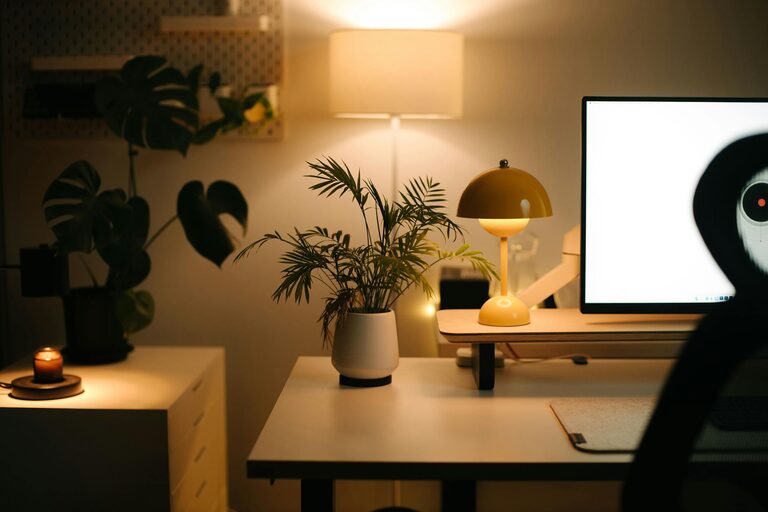
Creating a home office that feels both cozy and productive can greatly improve your work-from-home experience. When your workspace is comfortable and organized, you’re more likely to stay focused, motivated, and enjoy your workday. Whether you’re setting up a new office or refreshing an existing one, these tips will help you design a space that suits your needs and enhances your productivity.
Choose the Right Location
The first step in creating a productive home office is to select the right spot. Ideally, this should be a quiet area with minimal distractions. Consider the following:
– Natural light: Place your desk near a window if possible. Natural light helps reduce eye strain and boosts mood.
– Privacy: Choose a space where you can work without interruptions from family members or roommates.
– Space: Make sure there is enough room for your desk, chair, and any necessary equipment.
If space is limited, consider creative solutions like a corner desk, a fold-out desk, or even converting a closet into a dedicated workspace.
Invest in Comfortable Furniture
Comfort is key to maintaining focus and avoiding fatigue during long work hours.
– Ergonomic chair: Choose a chair that supports good posture, with adjustable height and lumbar support.
– Appropriate desk: Your desk should be at a height that allows your elbows to be at about 90 degrees when typing.
– Footrest: If your feet don’t rest flat on the floor, use a footrest to reduce strain on your legs.
Investing in quality furniture not only improves comfort but also prevents potential health issues.
Organize and Declutter
A clutter-free workspace helps you think clearly and work efficiently.
– Storage solutions: Use shelves, drawers, or filing cabinets to keep documents and supplies organized.
– Desk organizers: Keep your desk tidy with trays or containers for pens, paperclips, and other small items.
– Cable management: Use clips or ties to keep cords neat and avoid tangles.
Make it a habit to tidy your workspace at the end of each day, so you start fresh the next morning.
Personalize Your Space
Adding personal touches can make your home office feel inviting and comfortable.
– Decor: Include artwork, plants, or photos that inspire you.
– Colors: Choose calming or motivating colors for walls and accessories, such as soft blues, greens, or warm earth tones.
– Lighting: Incorporate warm lighting with desk lamps or floor lamps to create a cozy atmosphere, especially for late work sessions.
While personalization is important, try to avoid distractions by keeping decor simple and purposeful.
Optimize Lighting
Good lighting reduces eye strain and helps keep you alert.
– Natural light: Maximize daylight by positioning your desk where it’s easily accessible.
– Task lighting: Use adjustable desk lamps for focused lighting on your work materials.
– Ambient light: Combine different light sources to avoid harsh shadows and create an even light level.
Avoid screen glare by positioning your monitor at a right angle to windows or using blinds to control sunlight.
Minimize Noise and Distractions
Reducing noise and interruptions can significantly improve concentration.
– Noise-canceling headphones: These can help block out background noise if you don’t have a quiet room.
– Soundproofing: Use rugs, curtains, or foam panels to absorb sound.
– Set boundaries: Inform family or housemates of your work hours to minimize interruptions.
In some cases, playing soft background music or white noise can also enhance focus.
Set Up Efficient Technology
Having reliable and efficient technology makes tasks easier and saves time.
– High-speed internet: Ensure your connection supports video calls and online collaboration smoothly.
– Quality equipment: Invest in a good monitor, keyboard, mouse, and webcam that meet your work needs.
– Backup solutions: Regularly save your work and consider using cloud storage to prevent data loss.
Keep your devices organized and within reach to maintain a steady workflow.
Establish a Routine and Break Areas
Your workspace should support a healthy work routine.
– Dedicated work hours: Set clear start and end times for your workday.
– Break space: If possible, create a separate area for breaks away from your desk to help refresh your mind.
– Stretch and move: Incorporate short breaks to stretch or walk around, which helps reduce physical strain.
Creating routines and boundaries between work and relaxation time contributes to long-term productivity and wellbeing.
—
By thoughtfully designing your home office with these tips in mind, you can create a space that feels welcoming and keeps you motivated. A cozy and organized workspace is a valuable investment in your comfort and success, whether you work part-time from home or full-time remotely. Take your time to set it up, then enjoy the benefits every day!